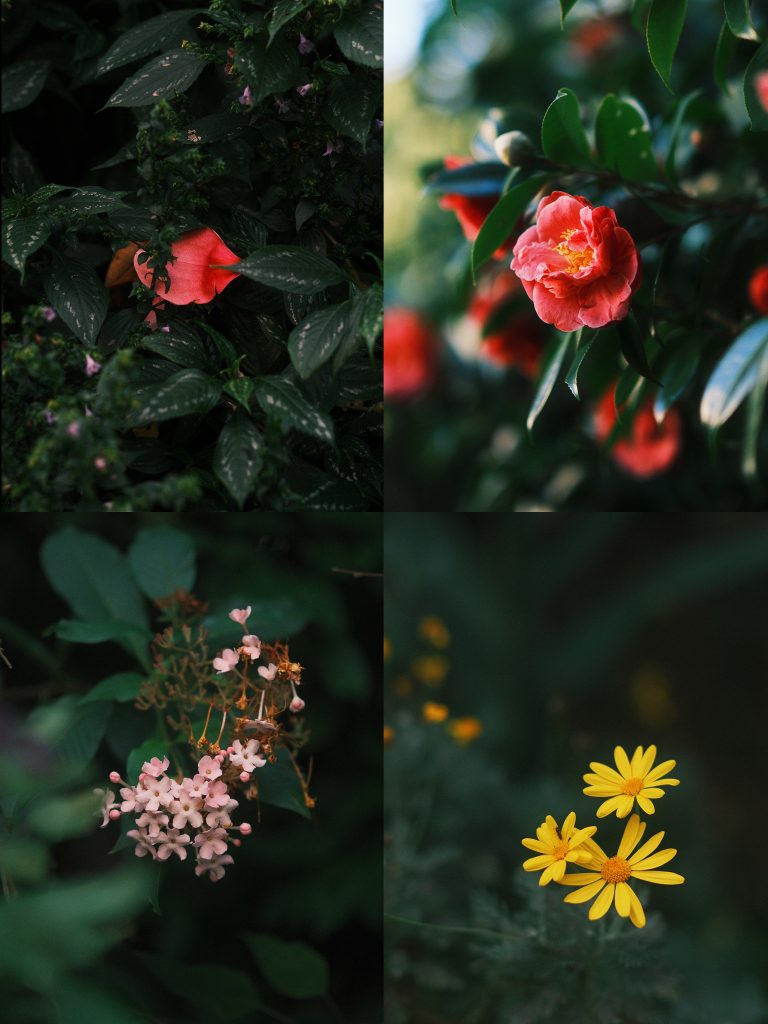
I’ve always been drawn to the warm, nostalgic colours of Kodak Gold 200. There’s something about its golden tones, soft contrast, and unmistakable film character that makes ordinary moments feel a little more timeless.
This recipe is my attempt to bring some of that Kodak Gold-inspired look to Fujifilm’s Classic Neg. film simulation, while keeping the image natural enough for everyday photography.
I developed and tested this recipe on the Fujifilm X-T5, and it works particularly well for street photography, travel, everyday moments, and scenes with warm natural light.




The Recipe
| Setting | Value |
|---|---|
| Film Simulation | Classic Neg |
| Grain Effect | Strong, Small |
| Color Chrome Effect | Weak |
| Color Chrome FX Blue | Weak or Off |
| White Balance | 5200K |
| WB Shift | R +2 / B -1 |
| Dynamic Range | DR400 |
| D-Range Priority | Off |
| Highlight | -2 |
| Shadow | -2 |
| Color | +3 |
| Sharpness | 0 |
| Noise Reduction | -4 |
| Clarity | -2 |
The Look
The recipe is designed around the warm, colourful character associated with Kodak Gold 200, while taking advantage of the unique rendering of Fujifilm’s Classic Neg. simulation.
The +3 Color setting gives the images a little extra richness without pushing the colours too far. Combined with the 5200K white balance and R +2 / B -1 shift, the result has a subtle warmth that works especially nicely with sunlight, warm buildings, skin tones, and natural landscapes.
I also kept the Highlight and Shadow at -2, giving the image a softer contrast and allowing more room for bright and dark areas of the scene.
The Strong, Small grain adds another layer of film character without making the image feel excessively rough.
Recommended For
This recipe is particularly suited to:
- Street photography
- Travel photography
- Everyday snapshots
- Portraits
- Architecture
- Summer photography
- Golden-hour scenes
- Sunny outdoor photography
- Urban photography
I especially enjoy using it when there is plenty of natural light. The warmer rendering can give even simple street scenes that classic nostalgic feel.
Why Classic Neg.?
Rather than using a film simulation specifically designed to imitate Kodak Gold, I chose Classic Neg. as the foundation because of its distinctive contrast and colour rendering.
Classic Neg. already has a strong personality. With the right adjustments to colour, white balance, highlights, shadows, and grain, it can produce something that feels very different from the standard out-of-camera Fujifilm look.
For me, the goal isn’t to create a scientifically perfect Kodak Gold 200 emulation. It’s about creating a recipe that captures the feeling of shooting Kodak Gold.



Shooting Tips
As with any Fujifilm recipe, the final result will depend heavily on the light.
I find this recipe particularly enjoyable in warm afternoon sunlight and golden-hour conditions, where the warmer tones can really come alive.
For overcast or cooler conditions, you may want to experiment with the white balance depending on the mood you’re after.
Don’t be afraid to make small adjustments either. If the colours feel too warm, try moving the white balance slightly cooler. If you want a more faded or softer look, experiment with exposure and the Highlight/Shadow settings.
The recipe is a starting point — your light and your way of shooting are what ultimately create the photograph.
Final Thoughts
Kodak Gold 200 has always had a certain charm. It isn’t about perfect sharpness or technically flawless colours — it’s about warmth, character, and making everyday moments feel memorable.
That’s what I wanted from this recipe.
Warm colours. Soft contrast. Film grain. A little glow. And a nostalgic feeling straight out of the camera.
Give it a try on your Fujifilm and see how it looks in your own environment. You may find that a small change to the white balance or exposure makes it work even better for your style.
Disclaimer
This recipe was developed and tested on the Fujifilm X-T5 using the XF23mm F1.4 R WR and XF50mm F1.0 R WR, paired with a Kenko Black Mist No.5 filter.
Colours and overall rendering may vary slightly depending on your Fujifilm X-Trans sensor, lens, or filter. Lighting conditions, white balance, and exposure also have a significant impact on the final result, so minor adjustments may be needed to achieve a similar look.
Leave a Reply