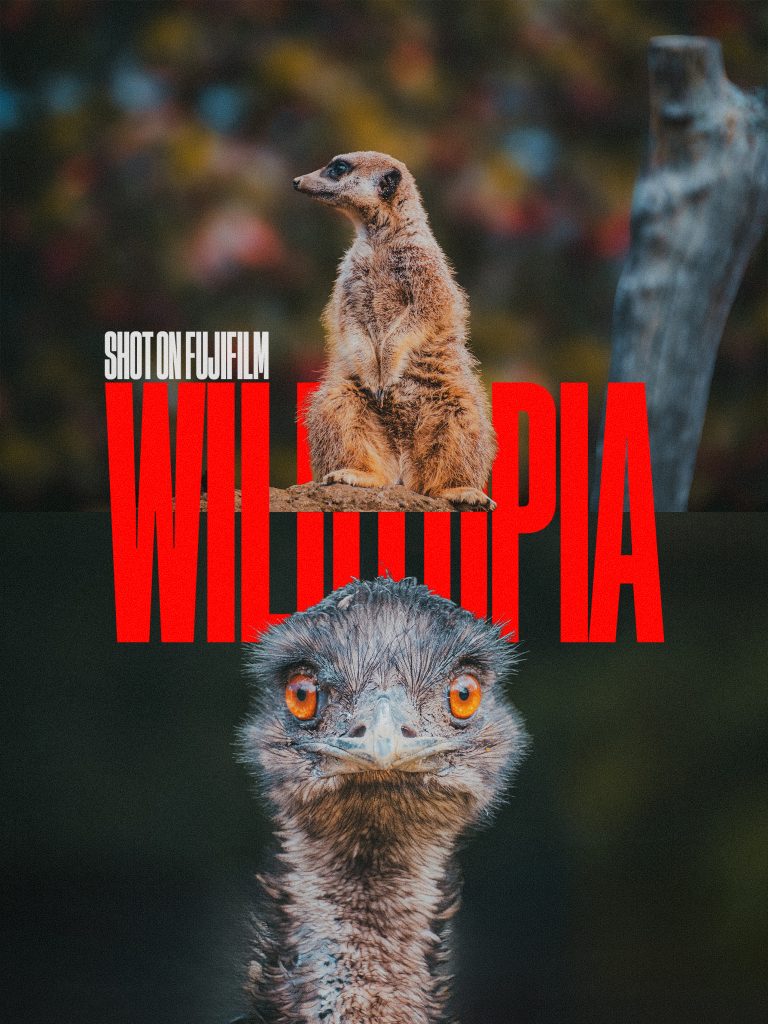
My first visit to Auckland Zoo since moving to New Zealand was long overdue.
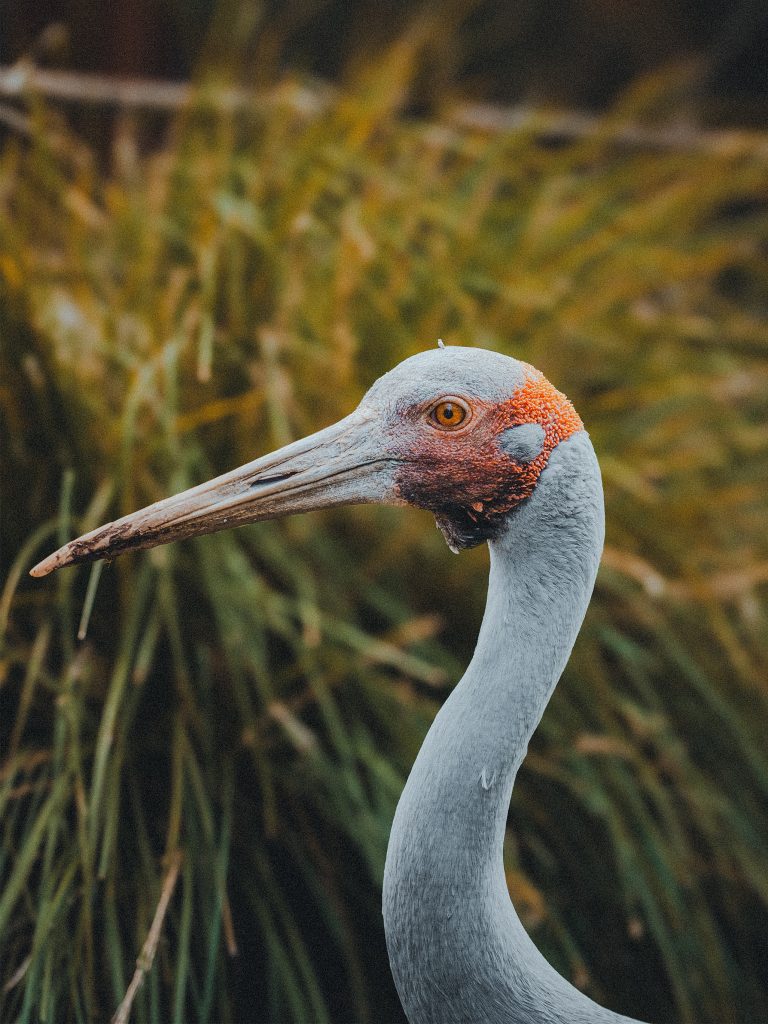
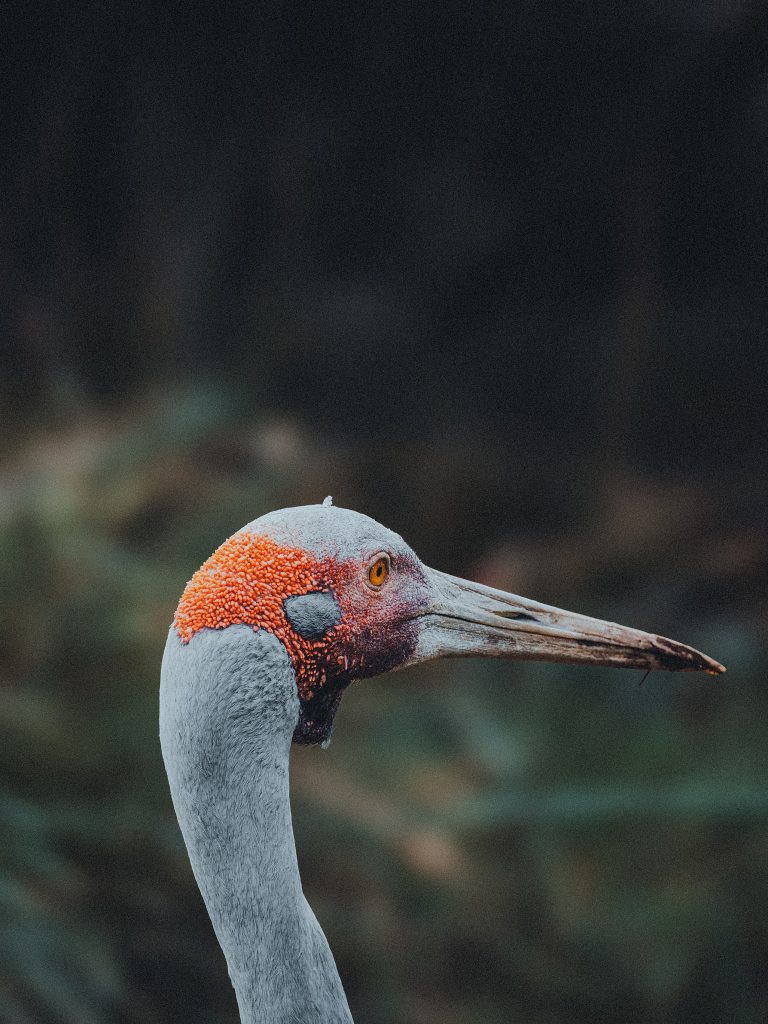
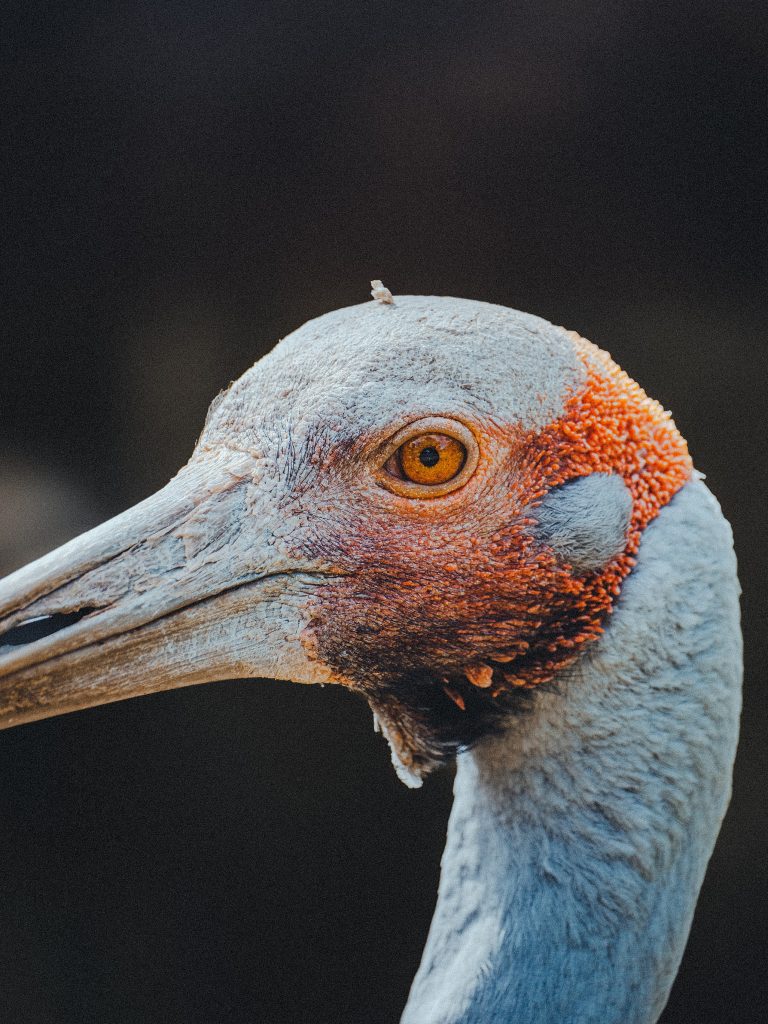
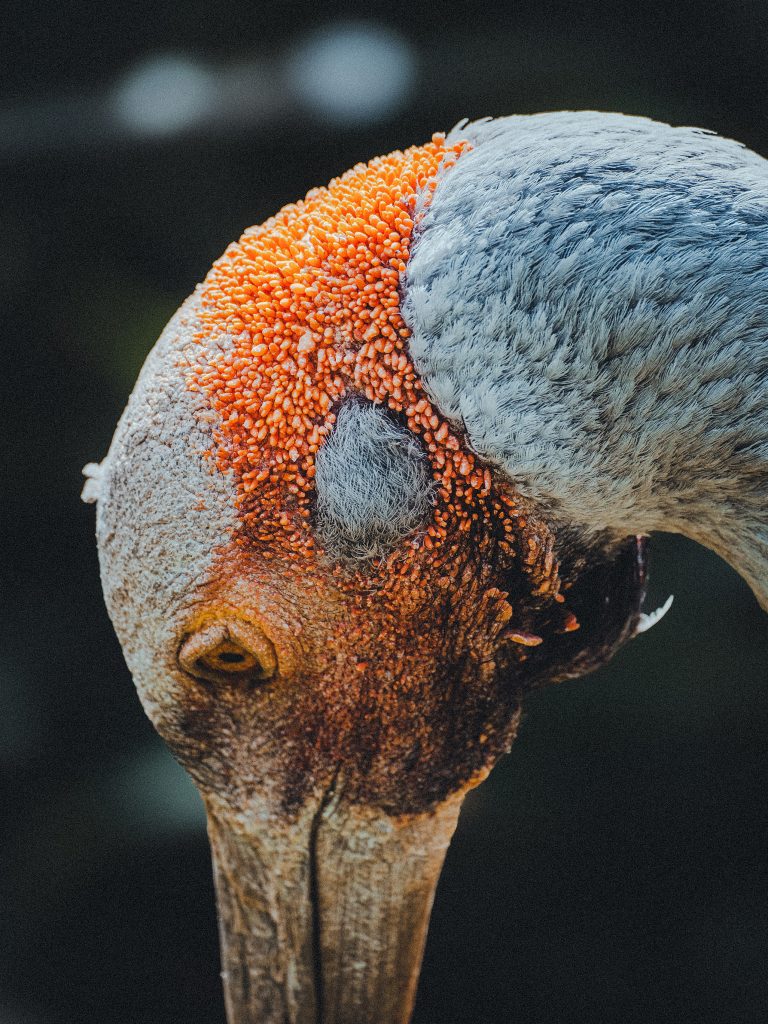
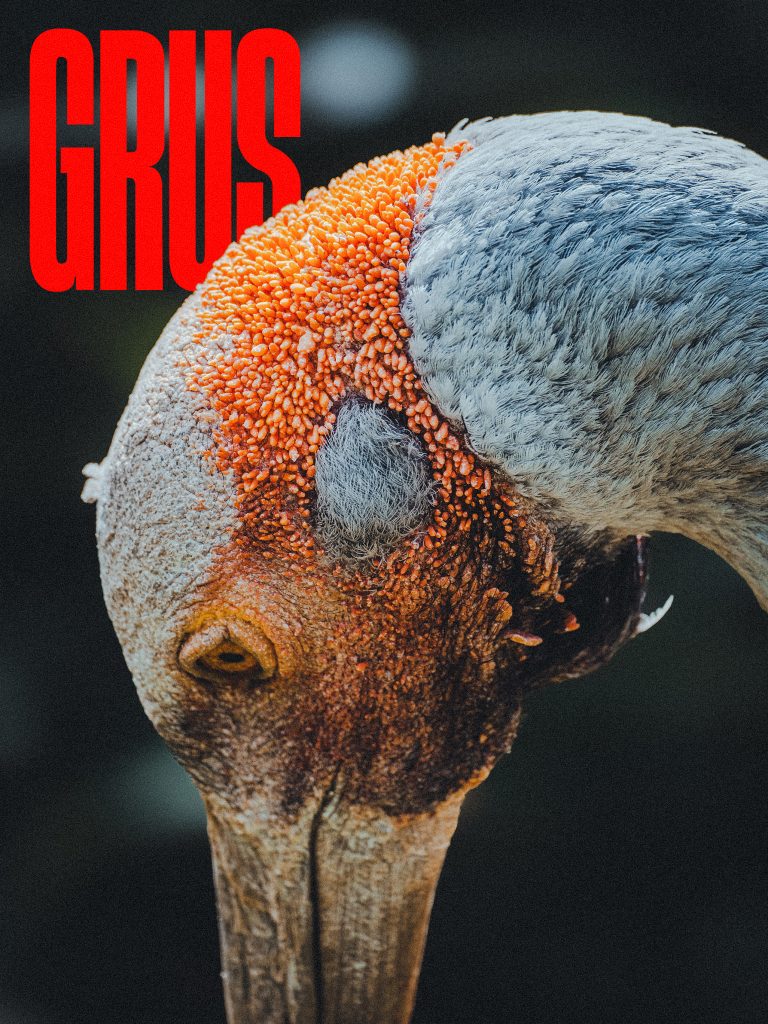
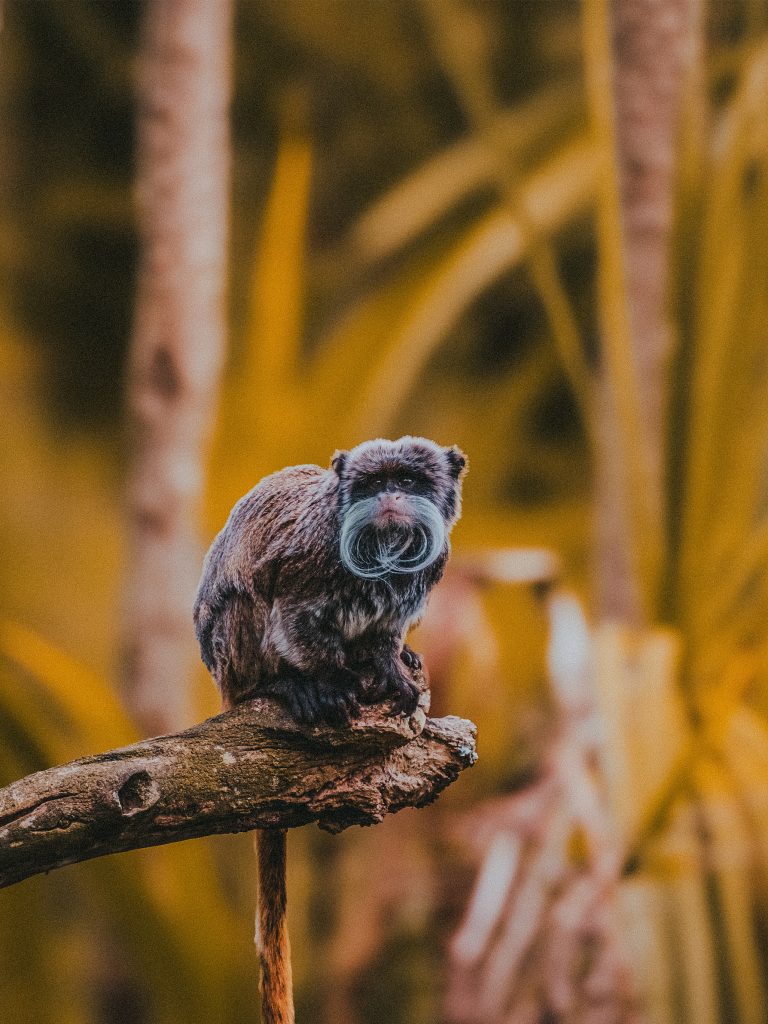
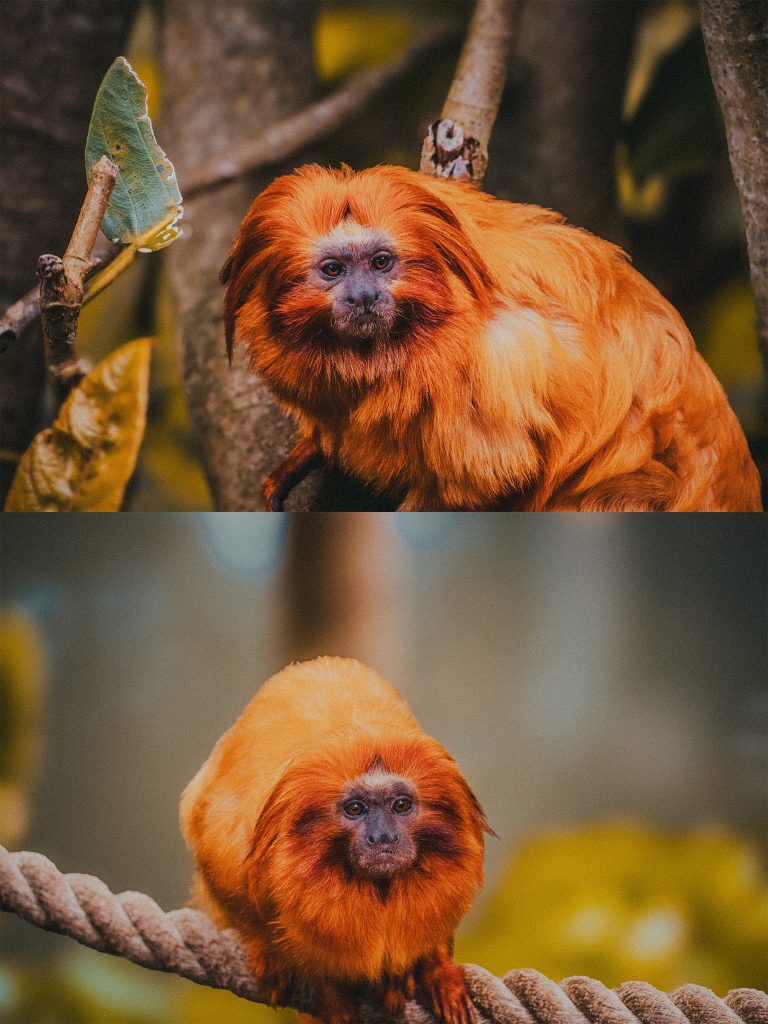
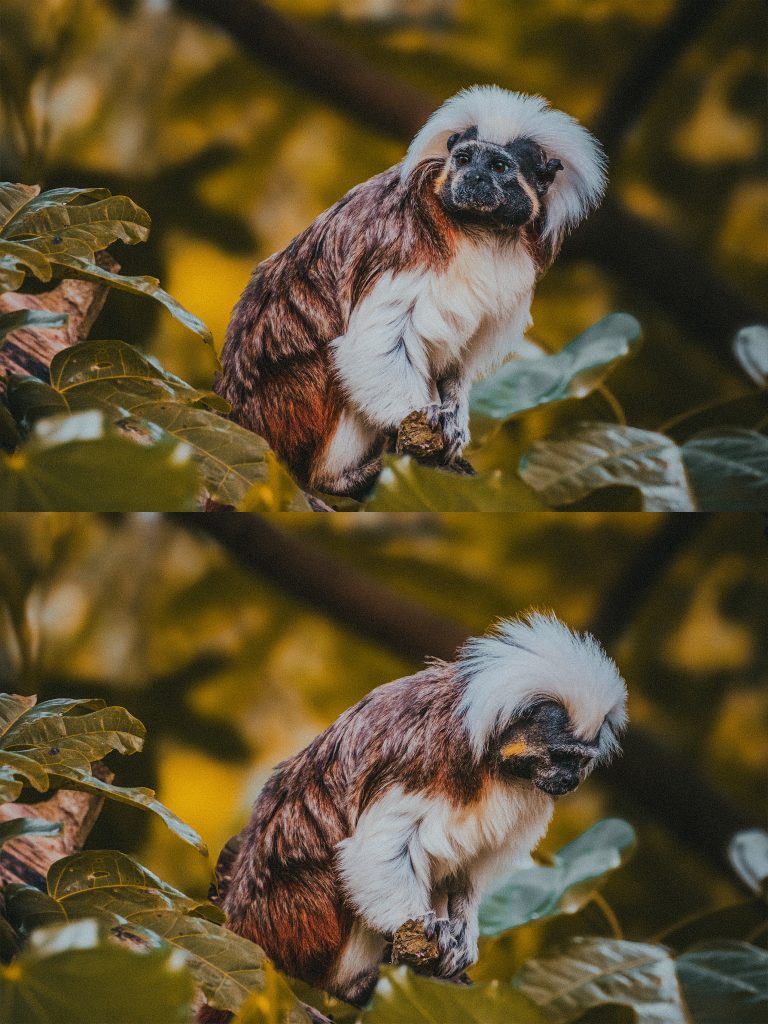
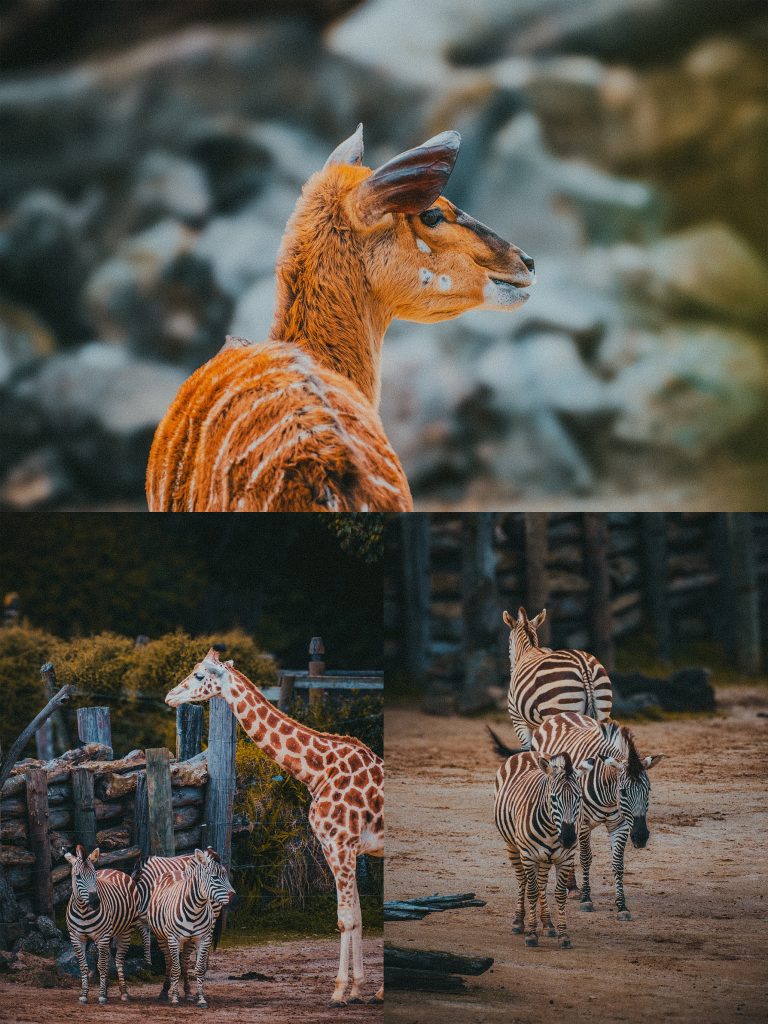
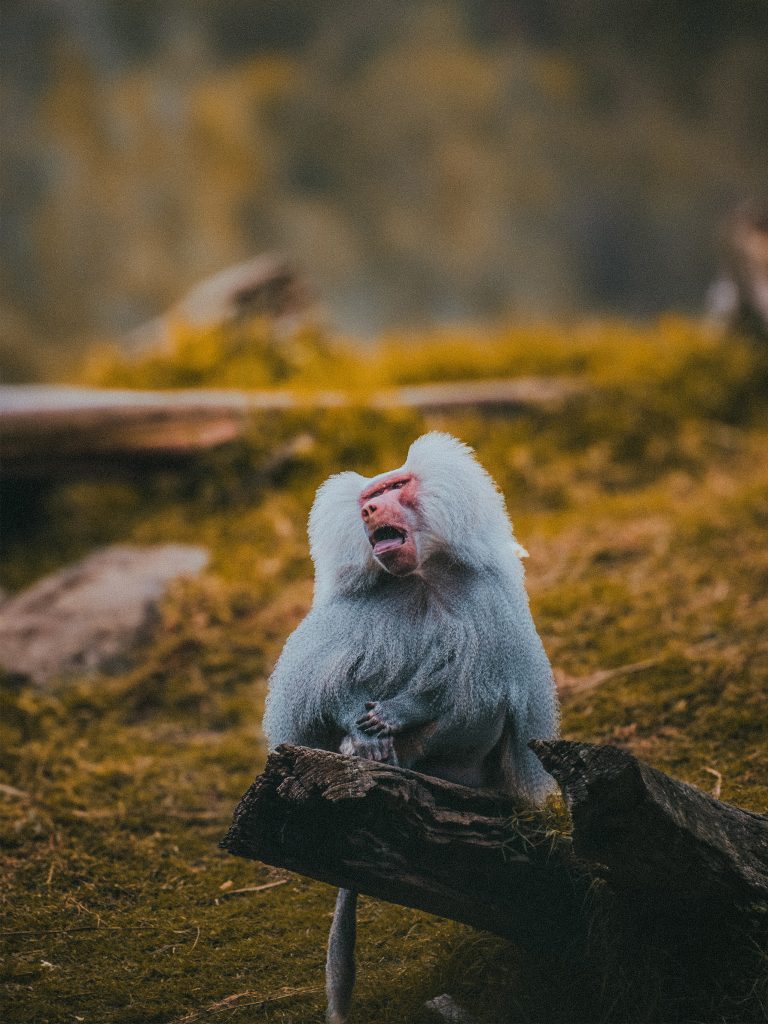
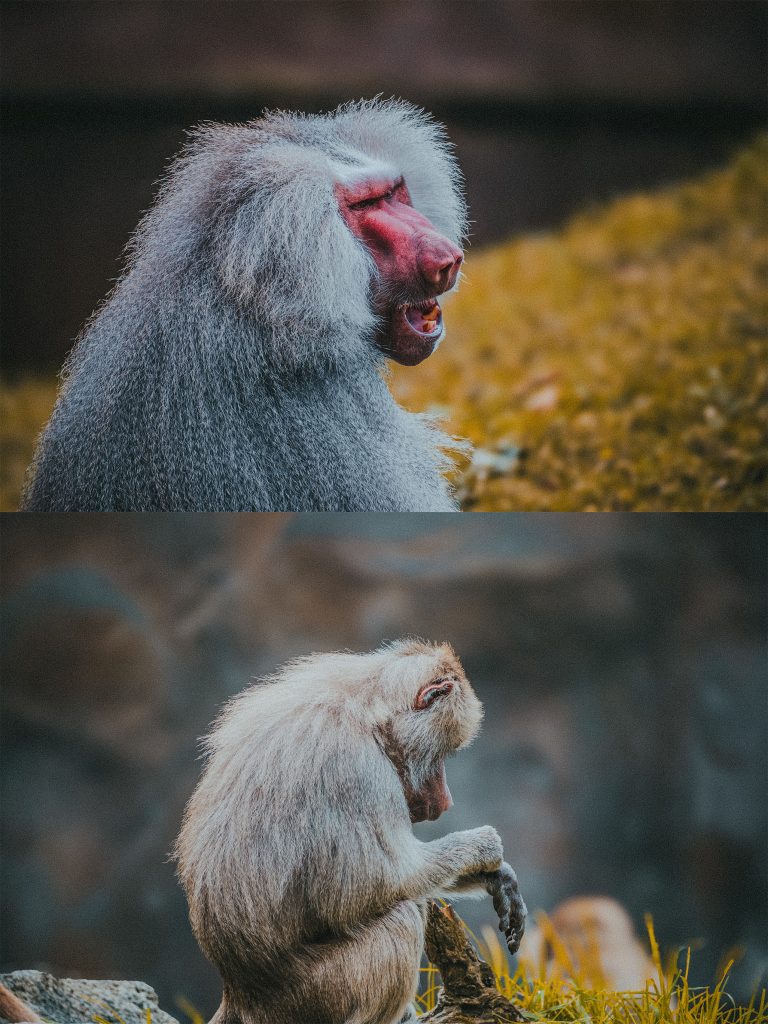
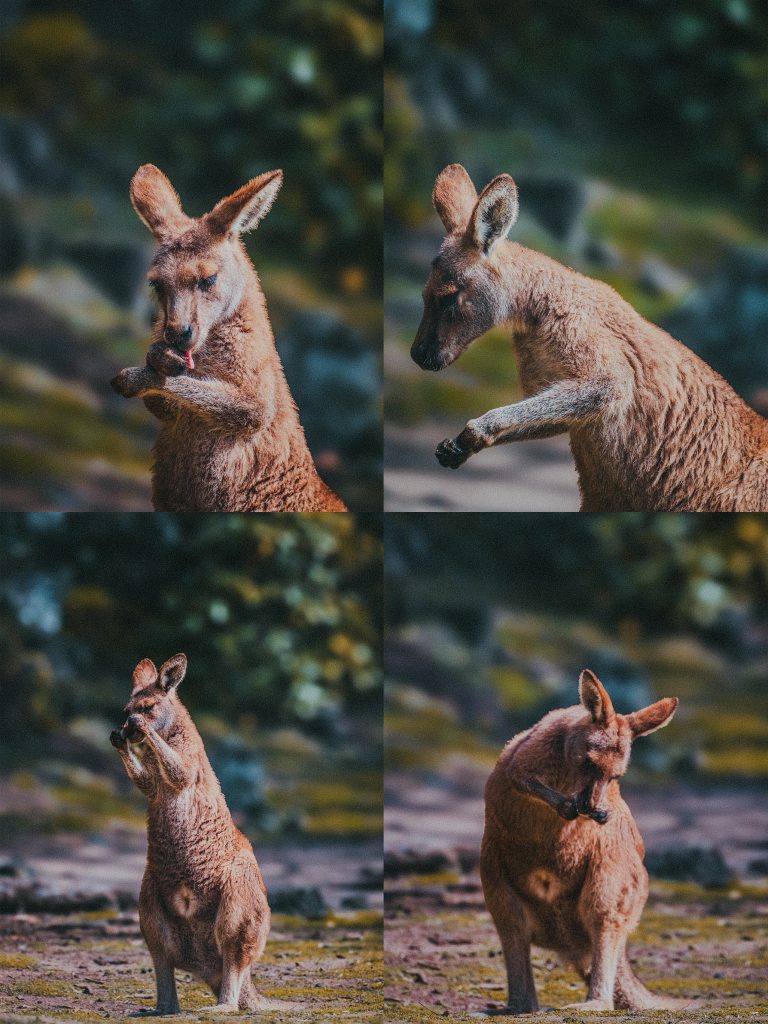
I went there expecting to photograph wildlife, but I quickly found myself approaching the animals in a slightly different way. Instead of simply documenting what I saw, I started looking for expressions, gestures, eye contact, and those small moments that could turn an animal into the subject of a portrait.
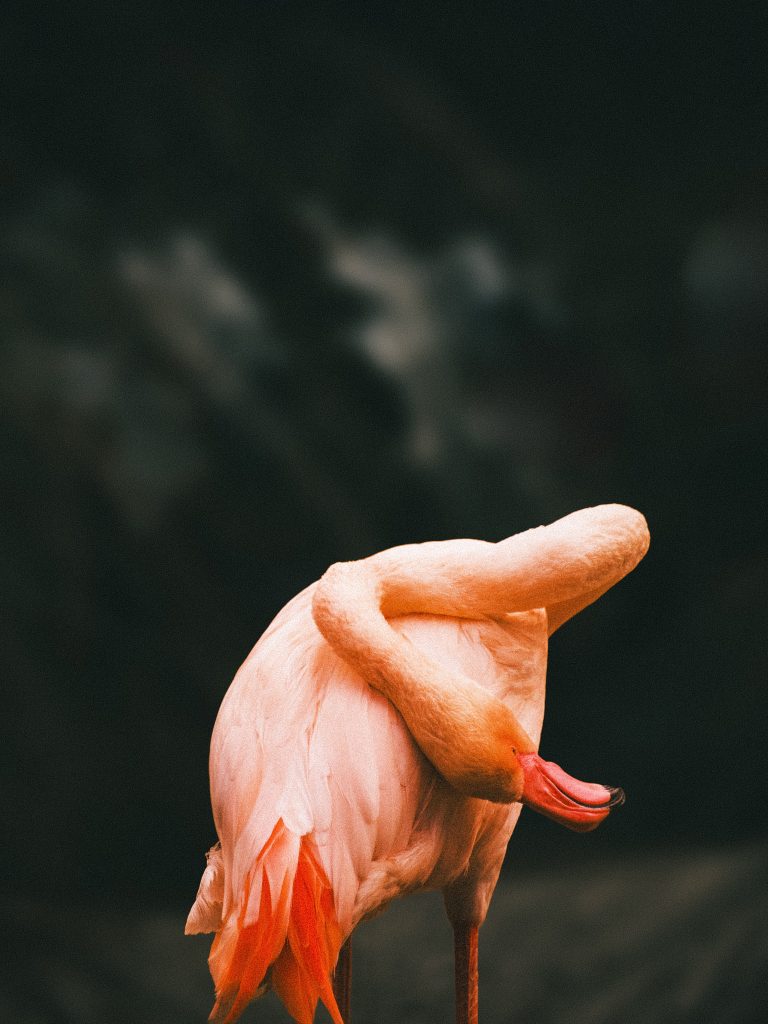
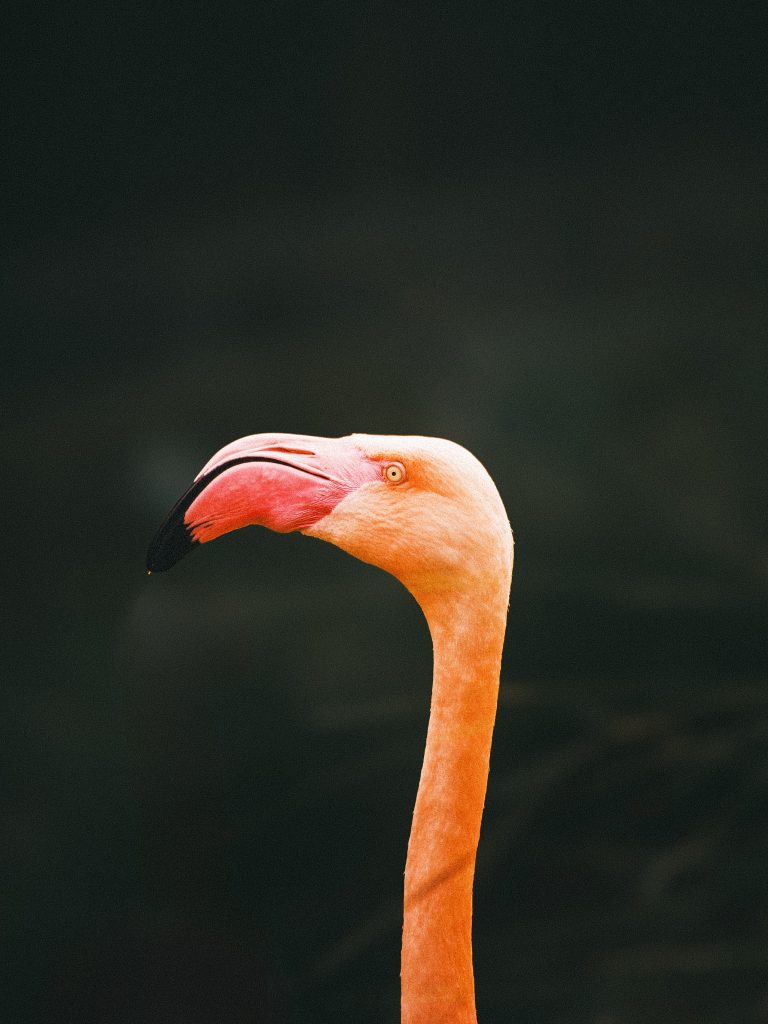
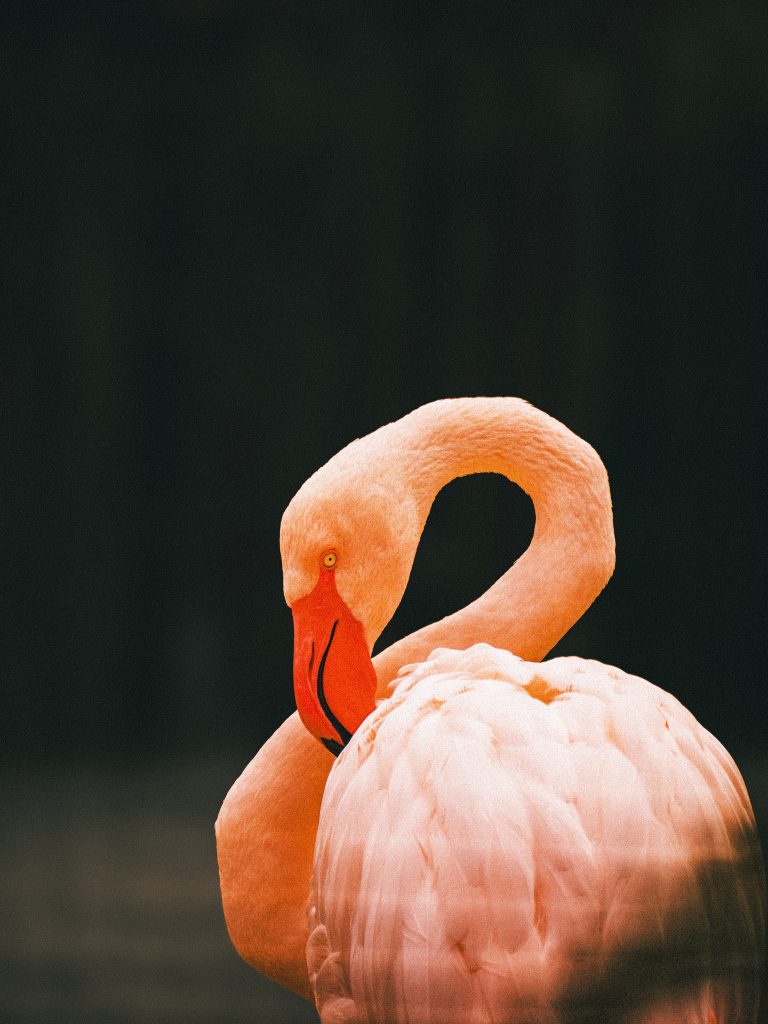
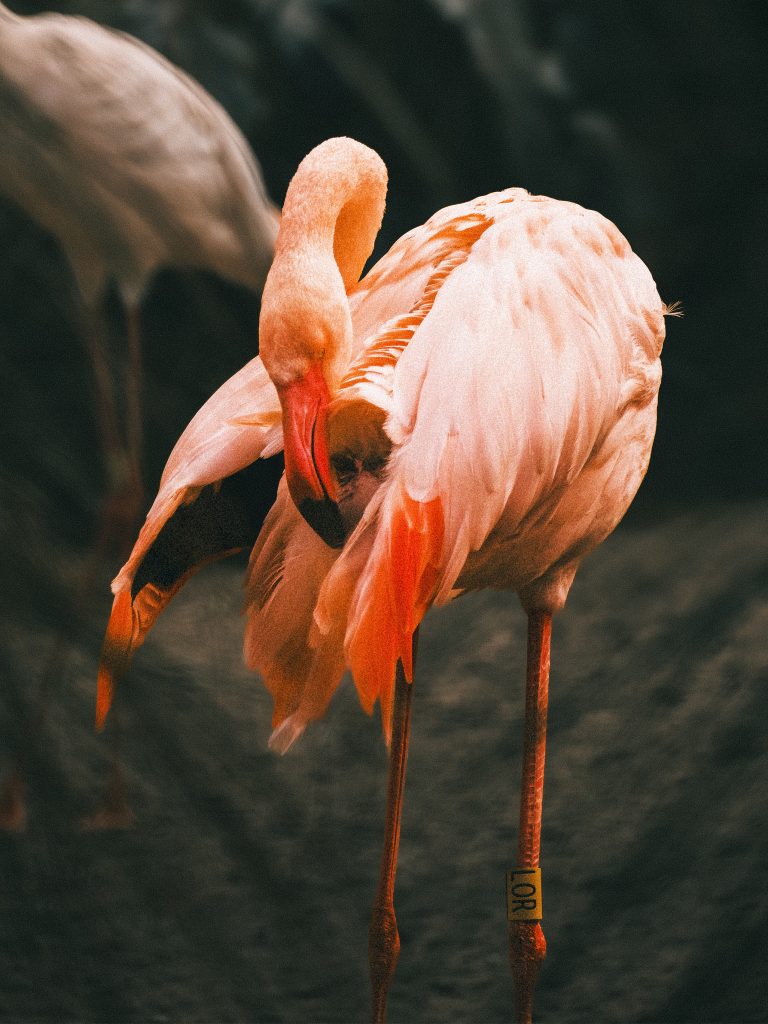
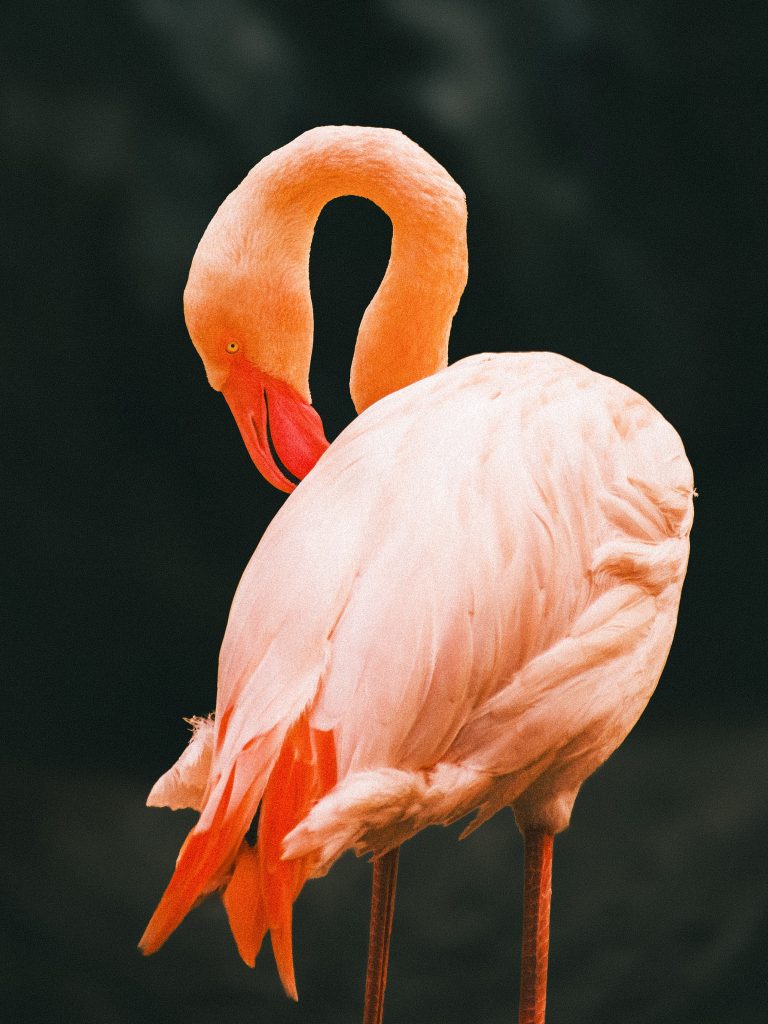
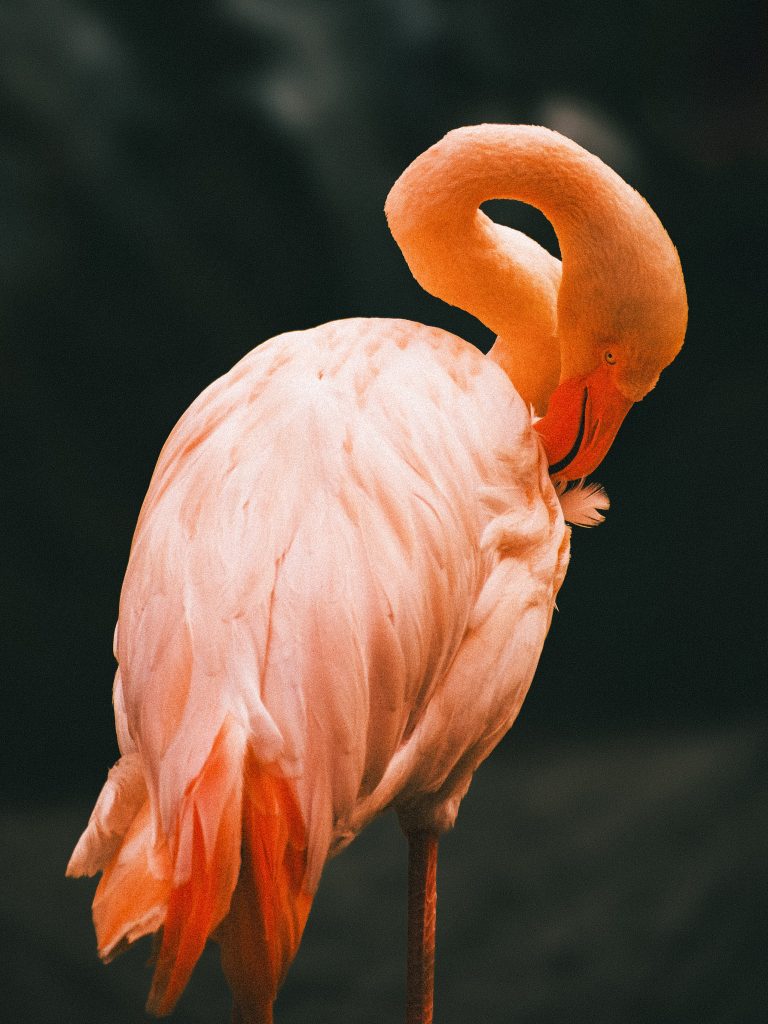
The flamingos were my first stop.
I initially imagined capturing them dancing — wings out, moving around, creating those dramatic moments you sometimes see in wildlife photography. Of course, that was mostly my imagination. They had other plans.
So I changed direction and started treating them like portrait subjects.
The idea became less about waiting for an action shot and more about watching their behaviour and waiting for the right expression, pose, or angle. Some stood perfectly still. Others turned their heads at just the right moment. Against the darker backgrounds, their pink feathers became even more striking.
That approach continued throughout the rest of the zoo.
Turning Wildlife Into Portraits
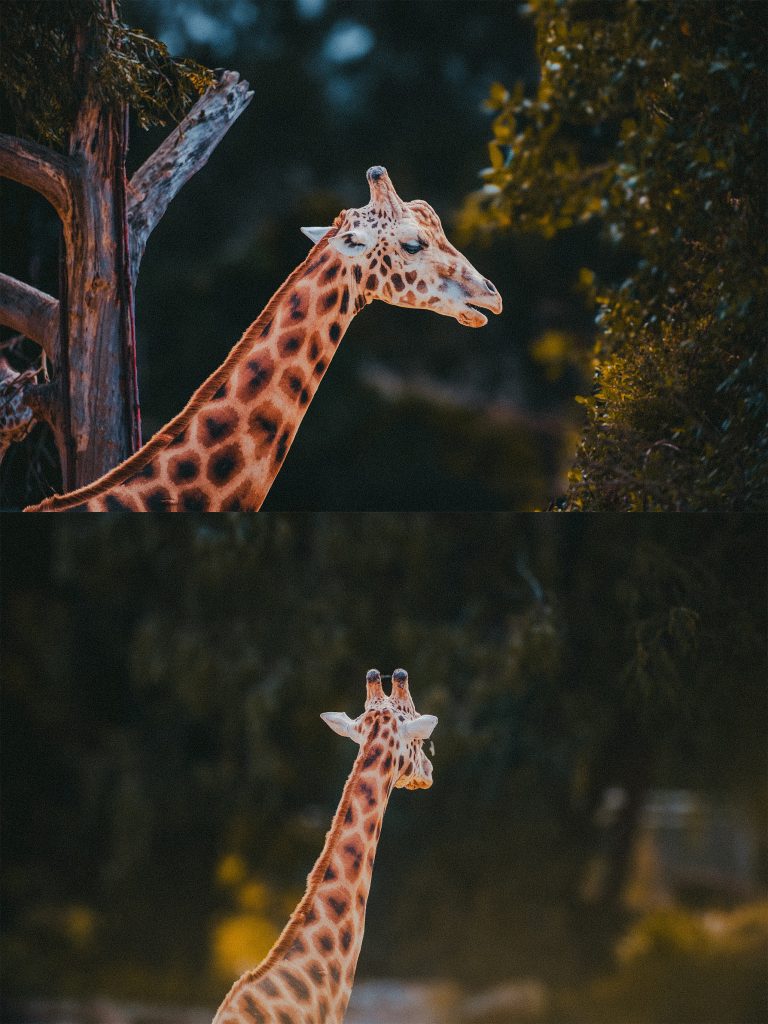
Once I started looking at the animals this way, the zoo felt almost like a collection of different portrait studios.
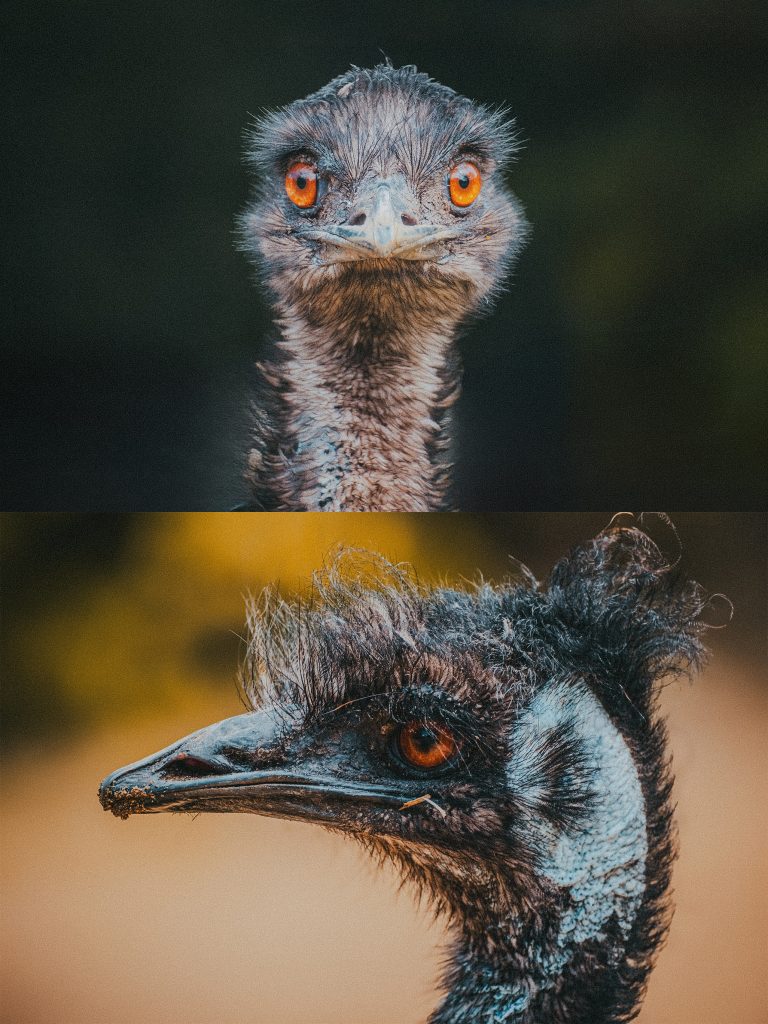
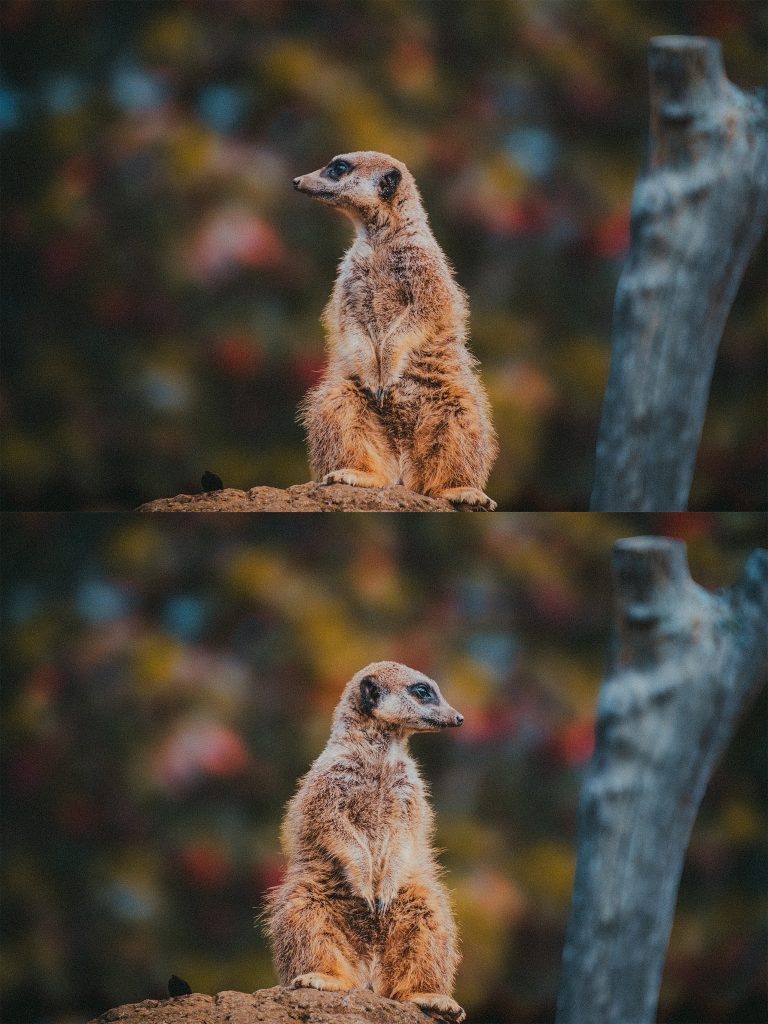
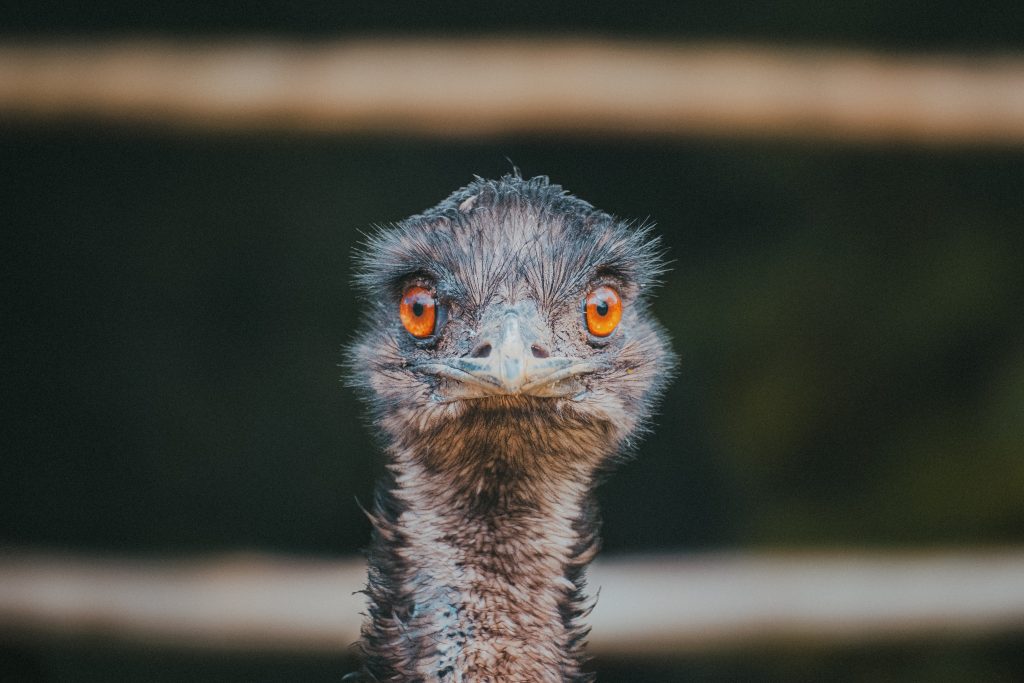
Every enclosure had its own environment, background, light, and character. A meerkat could suddenly become the star of the frame. An ostrich could give you an expression that completely steals the image. Lions, birds, monkeys, and other animals each offered something different.
I wasn’t necessarily looking for technically perfect wildlife photographs. I was more interested in giving each animal its own moment.
I wanted the images to feel less like “I saw this animal at the zoo” and more like “Here is this character.”
That became the idea behind the series.
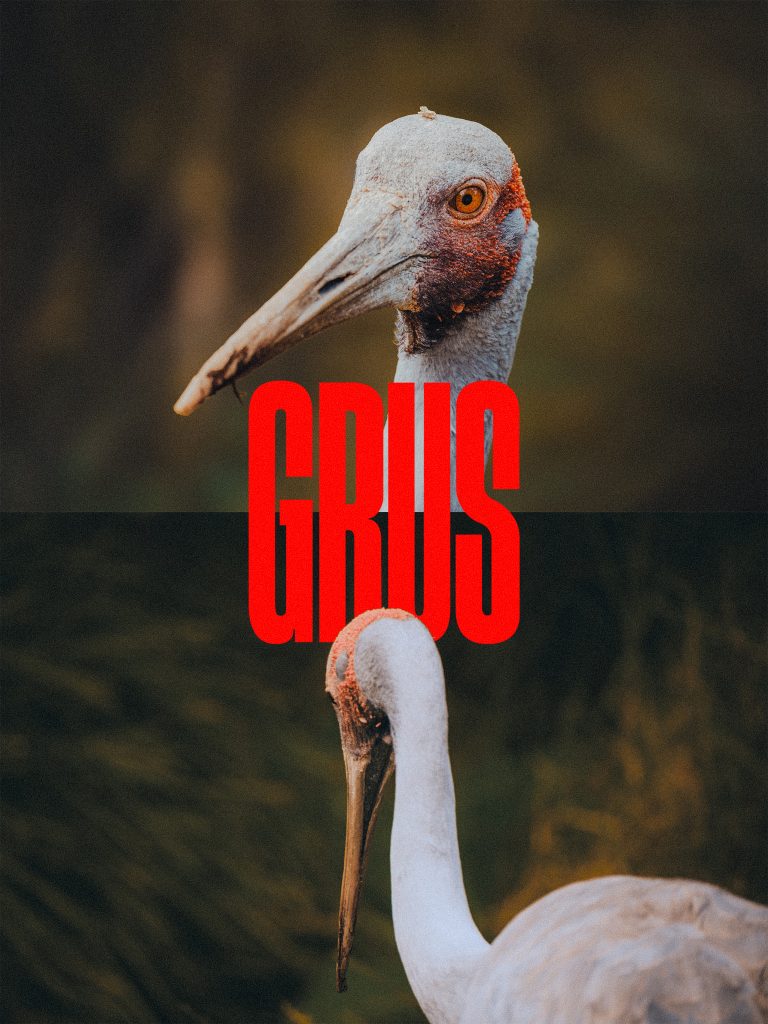
The XF 70-300mm
The Fujifilm XF 70-300mm was the lens that made this approach possible.
I’ve been enjoying this lens more and more, especially since moving away from only shooting with primes. At the zoo, the flexibility of a 70-300mm focal range was incredibly useful.
The longer end allowed me to isolate individual animals without getting too close to their enclosures. It also helped simplify the backgrounds and compress the scene around the subject, which gave many of the photographs a cleaner, more portrait-like appearance.
One of the biggest surprises was how useful the lens was when photographing through the protective mesh.
At maximum zoom, I could position myself carefully, find gaps between the mesh, and fill the frame with the animal. The enclosure could be quite busy around me, but the longer focal length helped remove much of that visual distraction.
It almost felt like carrying a small telescope around the zoo.
And that’s one of the things I enjoy most about photography: a piece of equipment can sometimes change the way you see a place.
Looking for Character
Wildlife photography often makes me think about patience.
You can’t direct an animal into a pose. You can’t ask it to look toward the camera or wait for better light. You simply have to watch and be ready when something happens.
For this series, though, I wasn’t necessarily waiting for dramatic action.
Sometimes a simple look was enough.
A head turned slightly toward the camera. A particular stance. A curious expression. The way an animal held its body. These tiny details were what made the photographs feel like portraits to me.
The more I photographed, the more I started noticing those differences.
And perhaps that’s what made the visit more interesting than I expected. I went to the zoo thinking I would photograph animals, but I ended up photographing personalities.
A Different Way of Seeing the Zoo
This was my first Auckland Zoo visit, but it definitely won’t be my last.
There are still so many animals, environments, and moments I haven’t photographed. I also want to return with the same approach and see whether I can find completely different portraits the next time.
The XF 70-300mm has certainly encouraged me to explore wildlife photography more seriously. What started as a casual visit turned into a full collection of animal portraits, and I’m curious to see where that leads next.
Maybe the next visit will be about movement.
Or maybe I’ll just find another animal with a ridiculous expression and spend the afternoon following it around.
Either way, I’m learning that sometimes the most interesting way to photograph wildlife isn’t to wait for the perfect action shot.
Sometimes, you just have to wait for them to look back at you.
Leave a Reply