I’ve been experimenting with Fujifilm’s Classic Neg. film simulation to create a look that feels a little nostalgic, cinematic, and imperfect — something that works particularly well for everyday street photography.
The goal with this recipe is to bring out rich colours, noticeable film-like grain, soft highlights, and a slightly moody rendering while still keeping enough contrast and character in the image.
I developed and tested this recipe on my Fujifilm X-T5, and it has become one of the looks I enjoy using when I want my images to feel less digitally perfect and more like something pulled from a film archive.
The Recipe
| Setting | Value |
|---|---|
| Film Simulation | Classic Neg. |
| Grain Effect | Strong, Large |
| Color Chrome Effect | Strong |
| Color Chrome FX Blue | Weak |
| White Balance | 5500K |
| WB Shift | R +4 / B +6 |
| Dynamic Range | DR400 |
| D-Range Priority | Off |
| Highlight | -2 |
| Shadow | -1 |
| Color | +3 |
| Sharpness | -2 |
| Noise Reduction | -4 |
| Clarity | -3 |
How It Looks
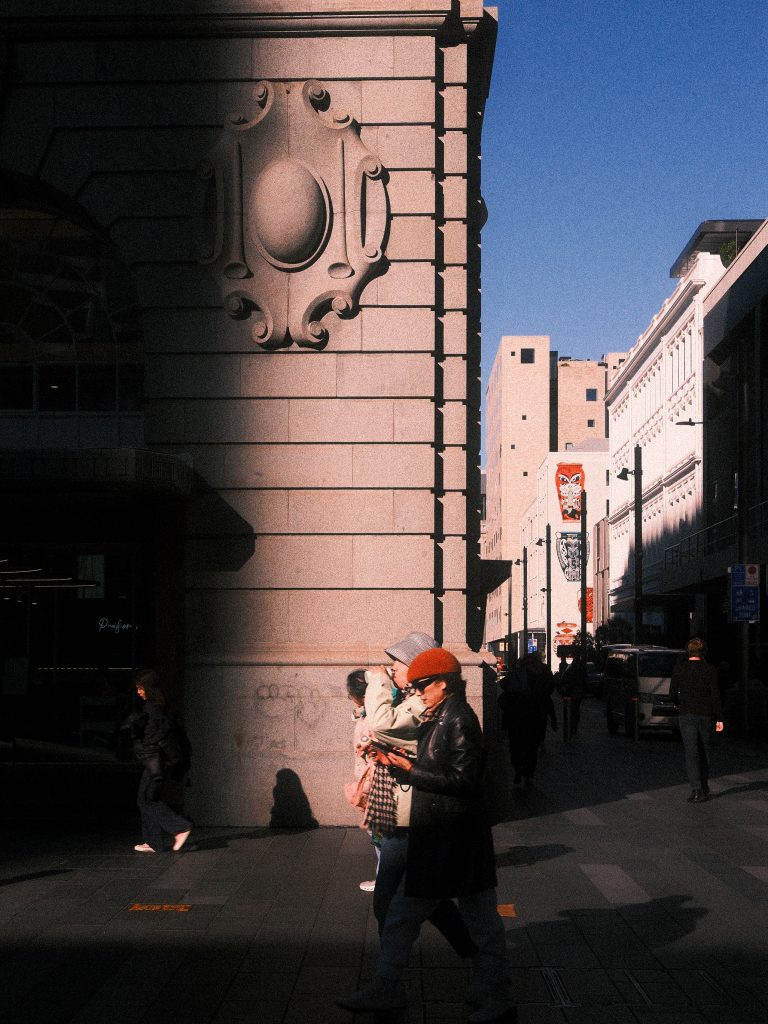
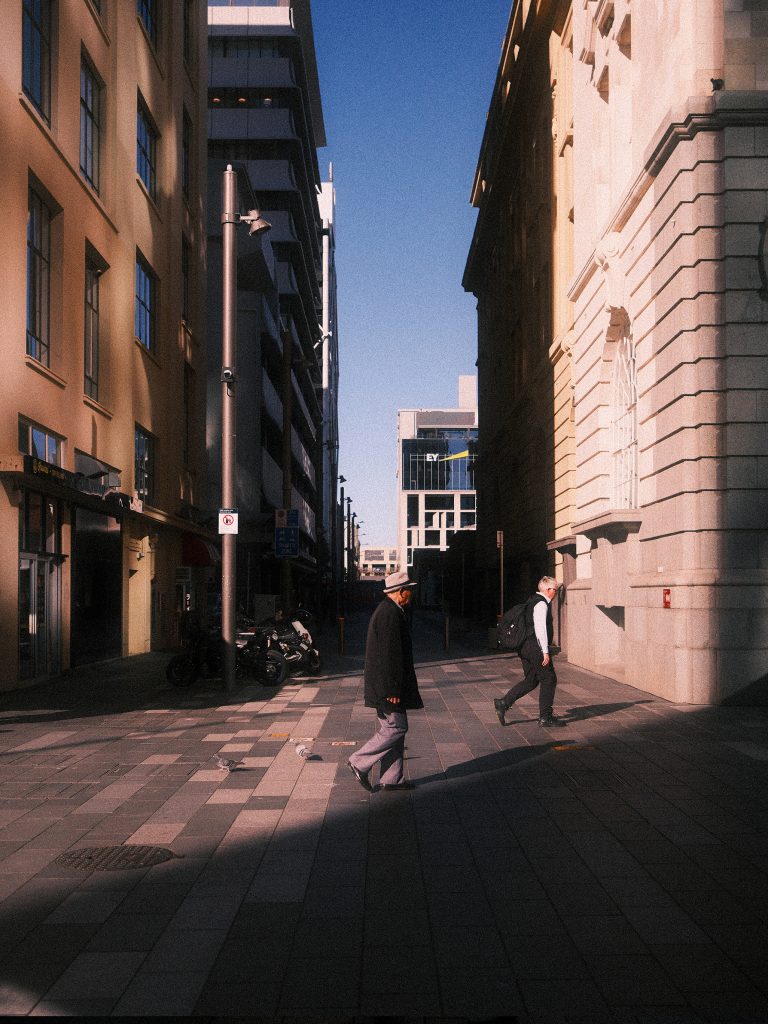
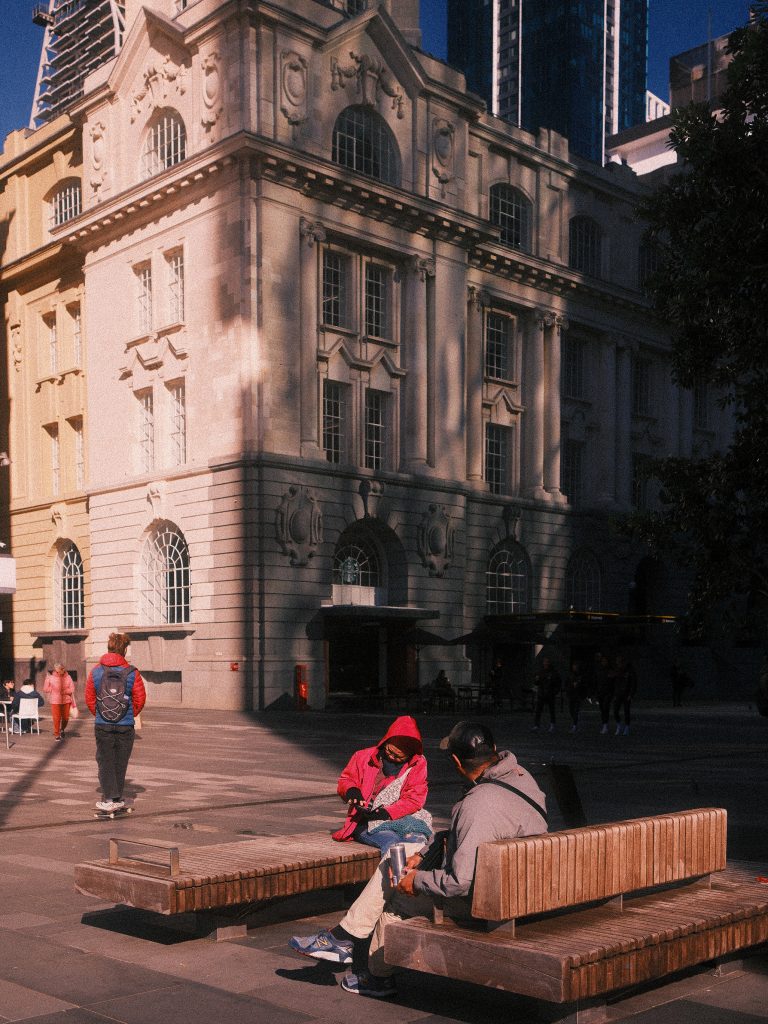
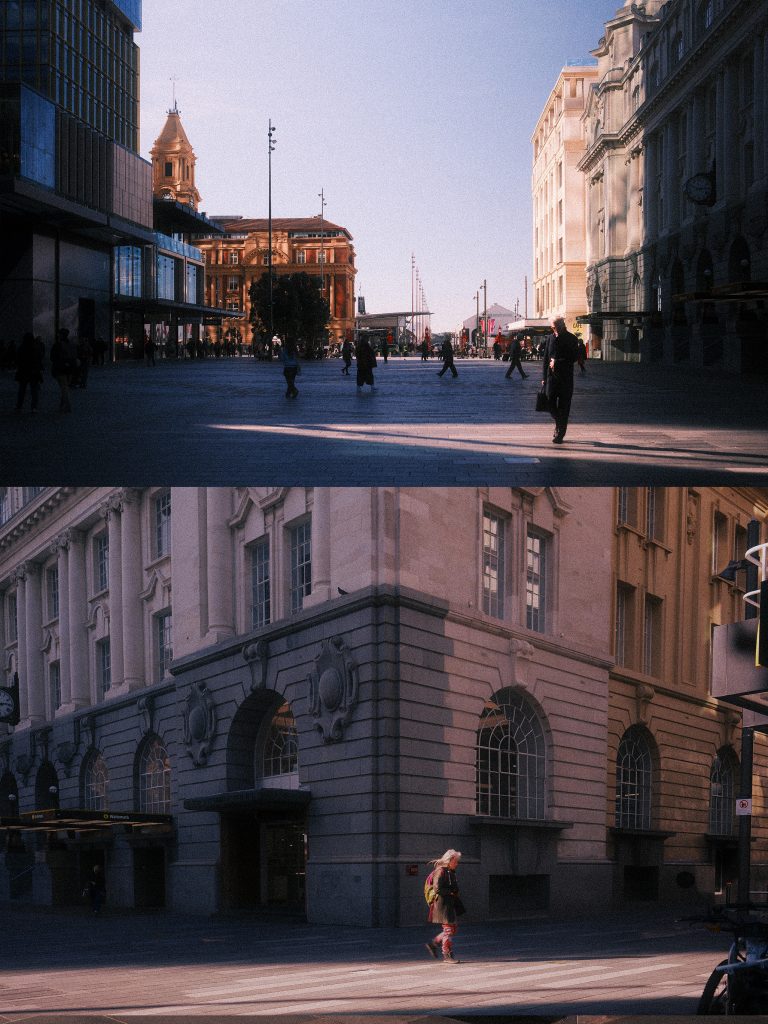
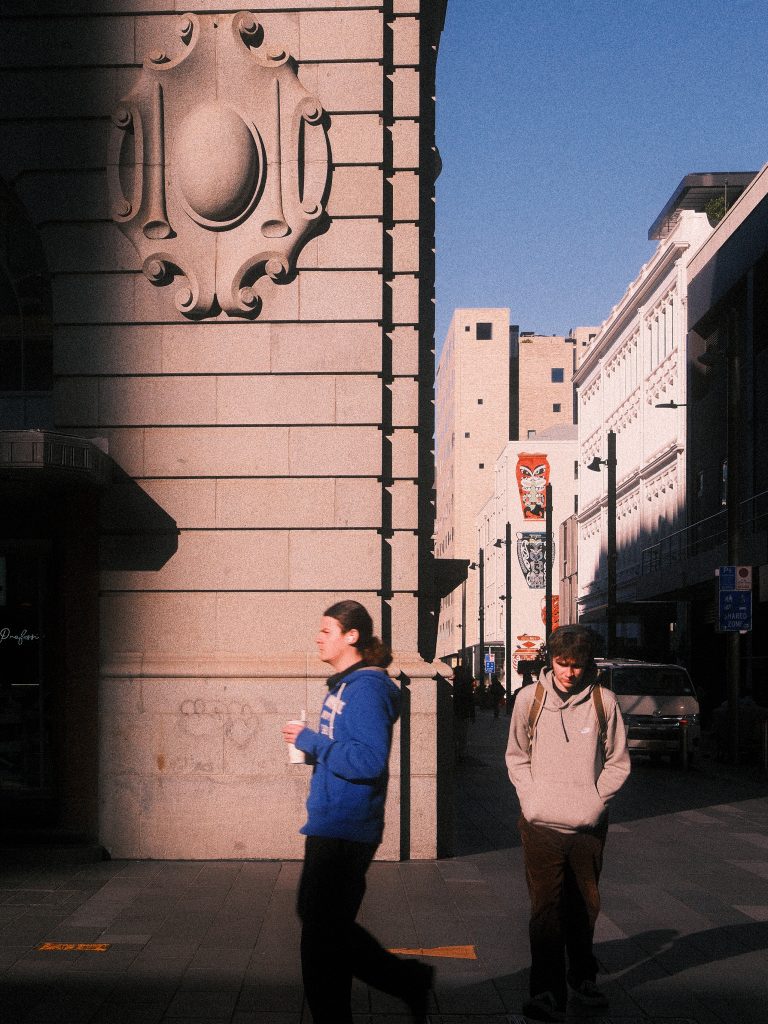
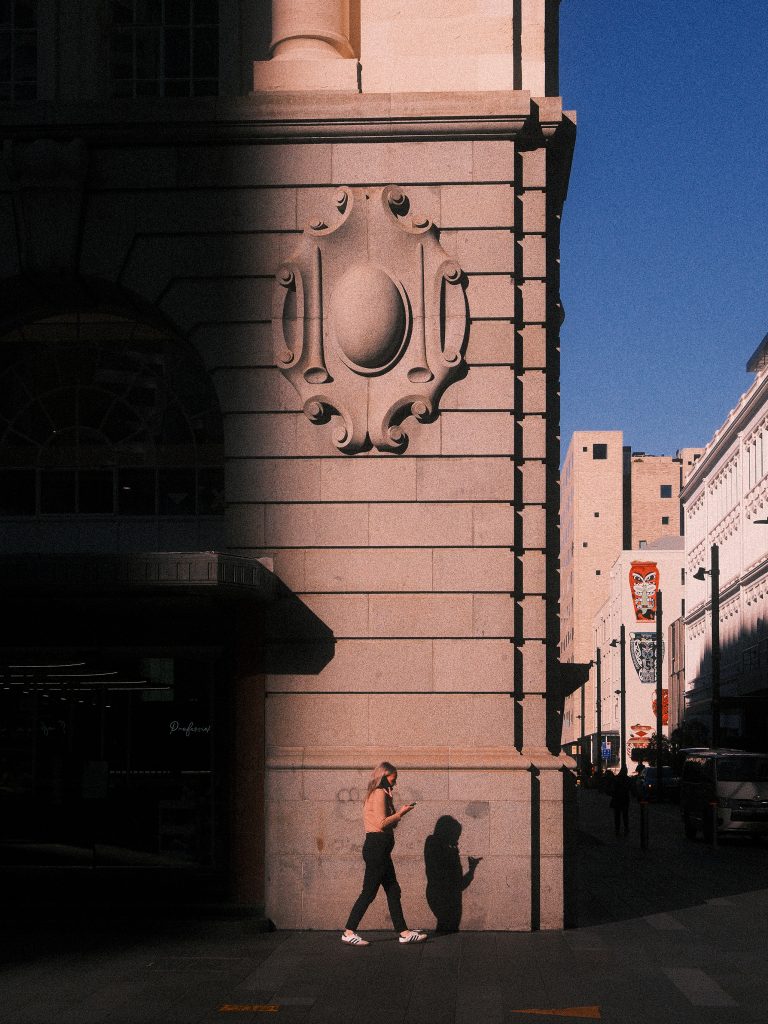
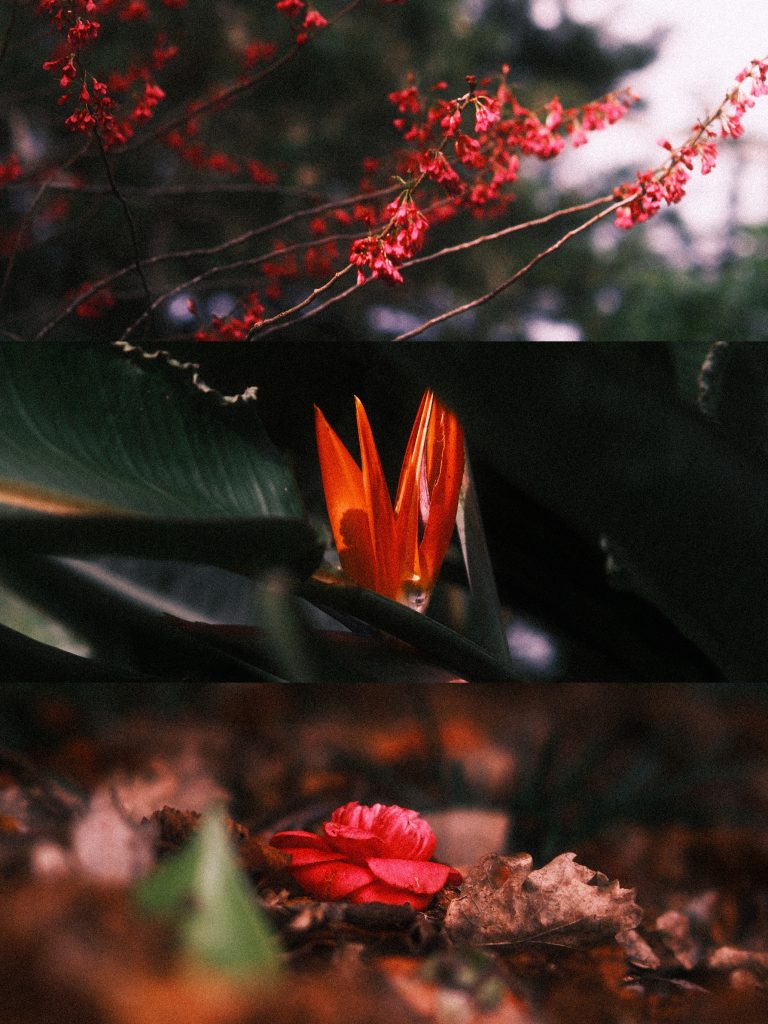
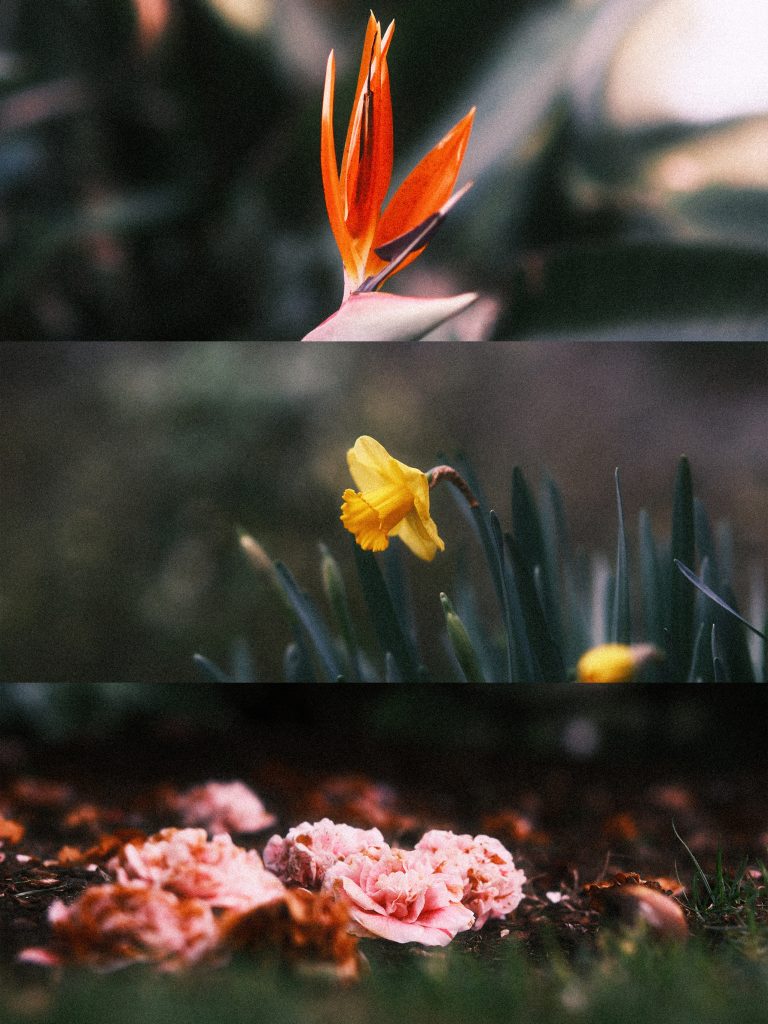
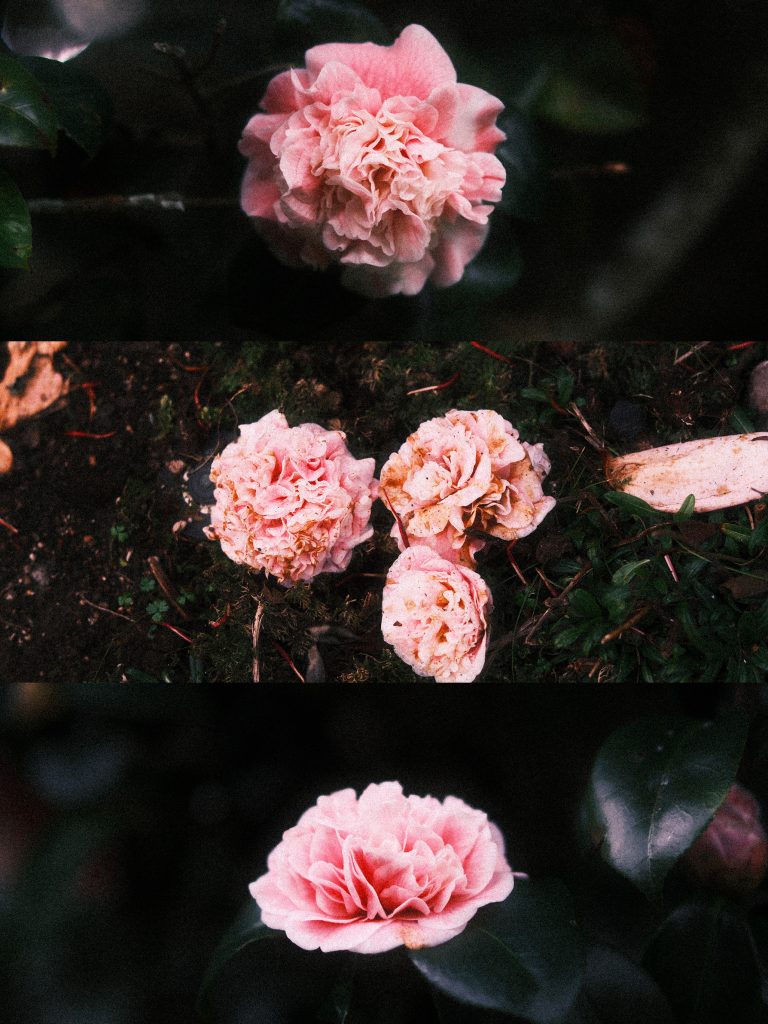
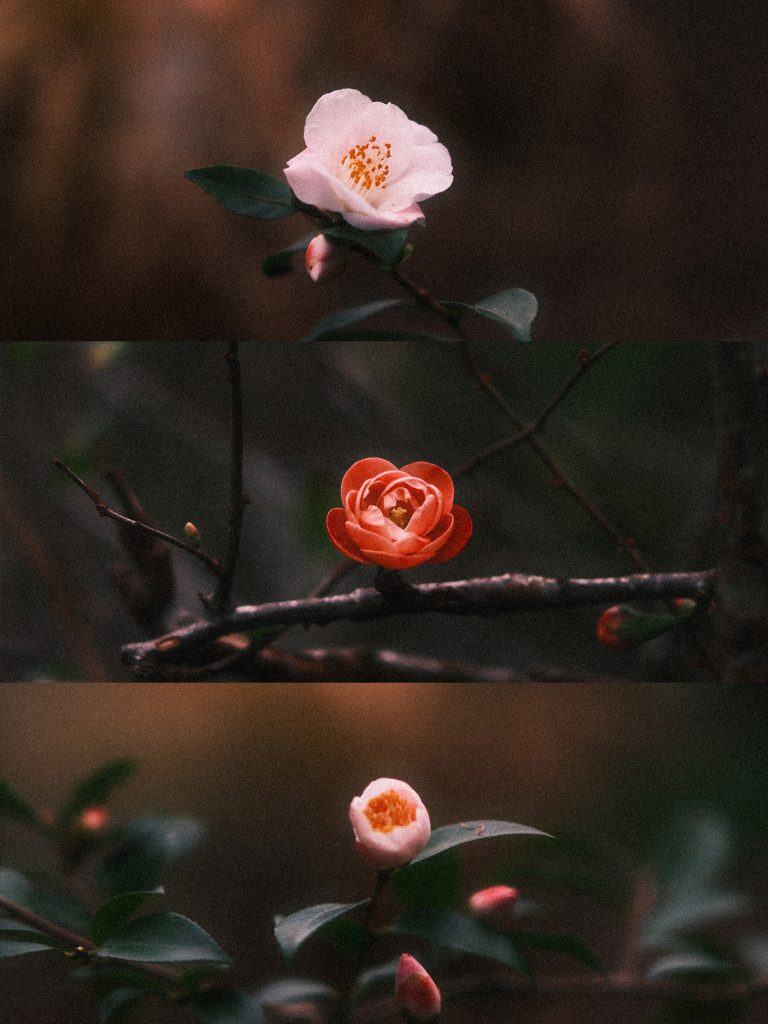
The combination of Classic Neg., strong grain, and reduced clarity gives the images a distinctly analogue-inspired character. The colours have enough punch to make subjects stand out, but the slightly softer rendering helps avoid the overly clean digital look.
I particularly like the way this recipe handles street photography, everyday moments, architecture, and scenes with interesting light.
The 5500K white balance with R +4 and B +6 adds a subtle warmth while maintaining a little coolness in the overall colour balance. Depending on the light, this can produce beautiful skin tones and atmospheric colours without needing much editing afterward.
The Highlight -2 and Shadow -1 settings also help keep the contrast under control, especially when shooting in changing light.
Recommended Use
I find this recipe works especially well for:
- Street photography
- Urban scenes
- Travel photography
- Everyday documentary photography
- Overcast days
- Golden-hour light
- Night and evening scenes
- Subjects where you want a nostalgic film character
For bright midday conditions, I recommend keeping an eye on your exposure. DR400 can be particularly useful for preserving highlight detail, but the final rendering will still depend heavily on the light you’re shooting in.
Shooting Tips
One thing I’ve learned with Fujifilm recipes is that the settings are only part of the look. Light, exposure, and the way you photograph a scene can have just as much influence on the final image.
I usually try not to chase perfect exposure with every frame. Slightly underexposing certain scenes can help preserve the mood, while exposing for highlights can produce a softer, more atmospheric result.
I also recommend experimenting with the recipe in different lighting conditions. The same settings can look completely different under harsh sunlight, overcast skies, tungsten lighting, or at night — and that’s part of the fun.
Final Thoughts
I don’t think Fujifilm recipes need to perfectly replicate a specific film stock. For me, the most interesting recipes are the ones that create a consistent mood and make you want to go out and photograph.
This Classic Neg. recipe is my attempt at creating that kind of look — a little grainy, a little soft, slightly warm, and imperfect in a way that feels intentional.
Try it out, shoot with it for a while, and don’t be afraid to make small adjustments to suit your camera, lens, and lighting.
Disclaimer
This recipe was developed and tested on the Fujifilm X-T5 using the XF50mm F1.0 R WR and XF23mm f1.4 R WR, paired with a Kenko Black Mist No.5 filter.
Colours and overall rendering may vary slightly depending on your Fujifilm X-Trans sensor, lens, or filter. Lighting conditions, white balance, and exposure also have a significant impact on the final result, so minor adjustments may be needed to achieve a similar look.
Leave a Reply